Choosing the right architectural concrete material isn't just about aesthetics — it's a decision that ripples through structural engineering, budget negotiations, and construction timelines. For architects specifying manufactured stone products, the GFRC vs cast stone debate surfaces on nearly every facade project.
Both materials deliver the architectural presence of natural stone at a fraction of the cost. But they behave differently in the field, carry different structural implications, and unlock different design possibilities.
Bottom line: GFRC excels in projects requiring lightweight complexity and intricate detail. Cast stone dominates where mass, depth, and structural backing are design priorities. Read on for the full breakdown.
What is GFRC? What is Cast Stone?
Glass Fiber Reinforced Concrete (GFRC)
GFRC is a composite material made from cement, sand, water, and alkali-resistant glass fibers. The fibers replace traditional steel reinforcement, allowing panels to be cast at thicknesses between 3/4" and 1.25" — dramatically thinner than traditional precast.
The manufacturing process uses spray-up or premix methods to create glass fiber-reinforced panels that are both strong and lightweight. GFRC has been used globally since the 1970s, with recent formulation improvements dramatically increasing durability and weather resistance.
Cast Stone
Cast stone is a refined architectural concrete product designed to simulate natural cut limestone, sandstone, or granite. Made from portland cement, fine and coarse aggregates, and integral mineral pigments, it achieves compressive strengths of 6,500+ PSI — exceeding many natural stones.
Cast stone is cast in reusable molds at 2,000-4,000 PSI vibration, then cured and sealed. It replicates the look, texture, and color variations of natural stone while offering consistent quality control and predictable lead times.
Weight Comparison: The 50% Difference
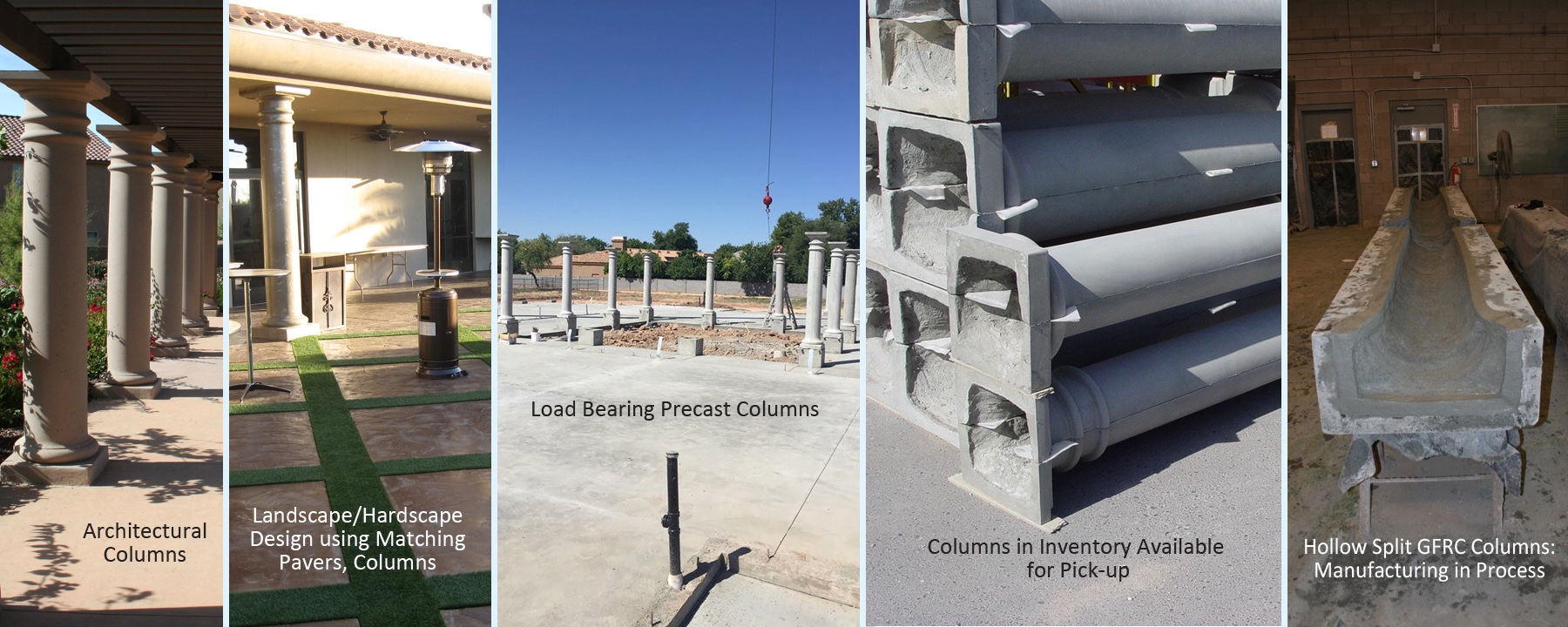
Architectural precast and GFRC columns weigh 50–75% less than equivalent natural stone, dramatically reducing structural requirements and installation crane costs.
Weight is where GFRC and cast stone diverge most dramatically, and it's often the deciding factor for facade engineers.
| Material | Weight per SF (1" thick) | Structural Impact |
|---|---|---|
| GFRC | 8-10 lbs | 50% lighter than cast stone |
| Cast Stone | 18-22 lbs | Standard precast weight |
| Natural Limestone | 25-30 lbs | Heavy — structural backing required |
A 100 SF facade panel in cast stone weighs 1,800-2,200 lbs. The same panel in GFRC weighs just 800-1,000 lbs. This difference cascades through the entire structural system:
- Foundation loads reduced by 50-60% — critical for podium decks, historic renovations, and upper-story installations
- Steel framing can be downsized — or eliminated entirely for curtain wall applications
- Installation labor decreases — smaller crews, lighter equipment, faster erection
- Seismic considerations — reduced mass improves seismic performance in earthquake zones
Engineering insight: Many facade renovation projects specify GFRC specifically to avoid costly structural reinforcement. A 1920s building facade can't support cast stone loads — but GFRC often fits within existing conditions.
Cost Comparison: Material, Installation & Structure
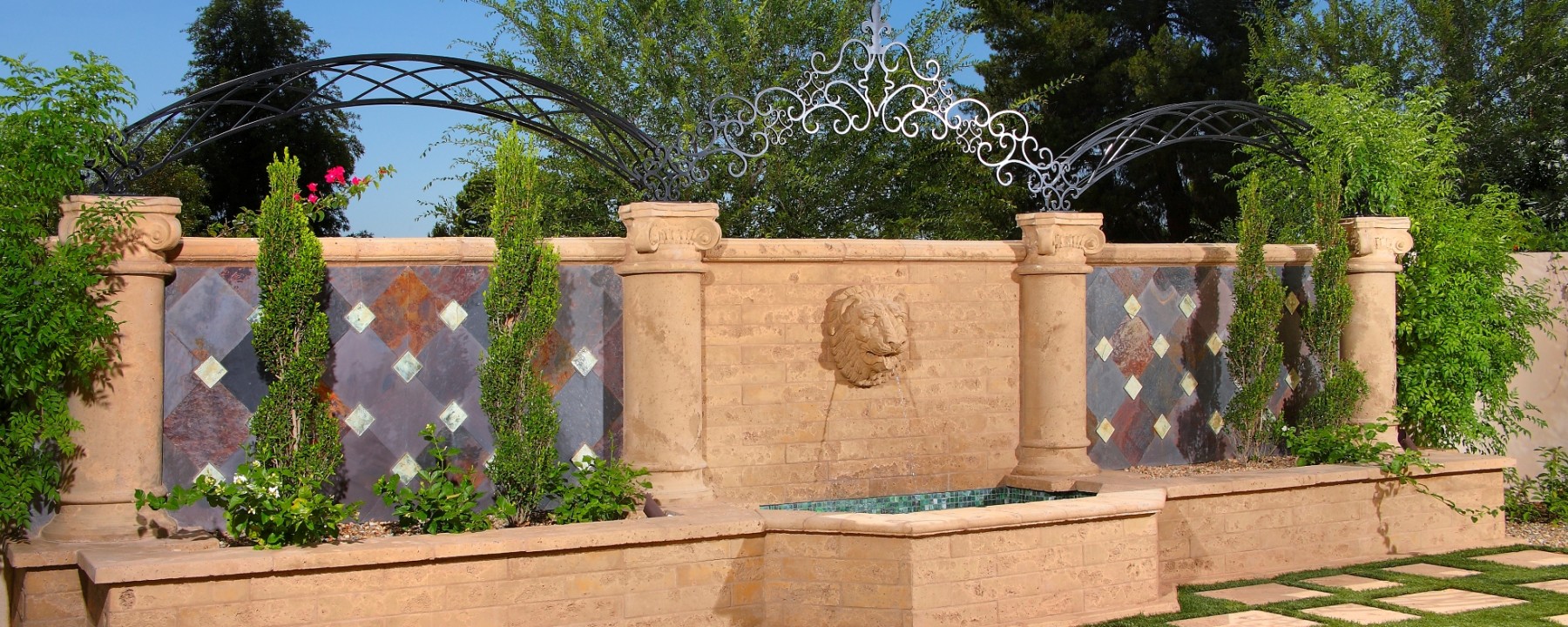
Mesa Precast manufactures the full spectrum: cast stone, architectural precast, and GFRC — with consistent color matching across materials so you can mix products seamlessly on a single project.
Cost analysis goes beyond unit price. Total project cost includes material, installation, and structural support — and that's where GFRC often pulls ahead despite comparable per-SF pricing.
| Cost Factor | GFRC | Cast Stone |
|---|---|---|
| Material cost (per SF) | $35-$55 | $40-$65 |
| Installation cost | Lower (lighter, faster) | Standard precast |
| Structural support | Minimal | Full backing required |
| Shipping cost | Lower (50% lighter) | Higher |
| Total installed cost | 15-25% lower typical | Baseline |
For a typical 5,000 SF facade, switching from cast stone to GFRC can save $25,000-$75,000 in total installed cost — primarily through reduced structural requirements and faster installation.
However, GFRC has higher upfront tooling costs for complex profiles. For simple, repetitive window surrounds or column covers, cast stone may be more economical.
Design Flexibility: Where GFRC Shines
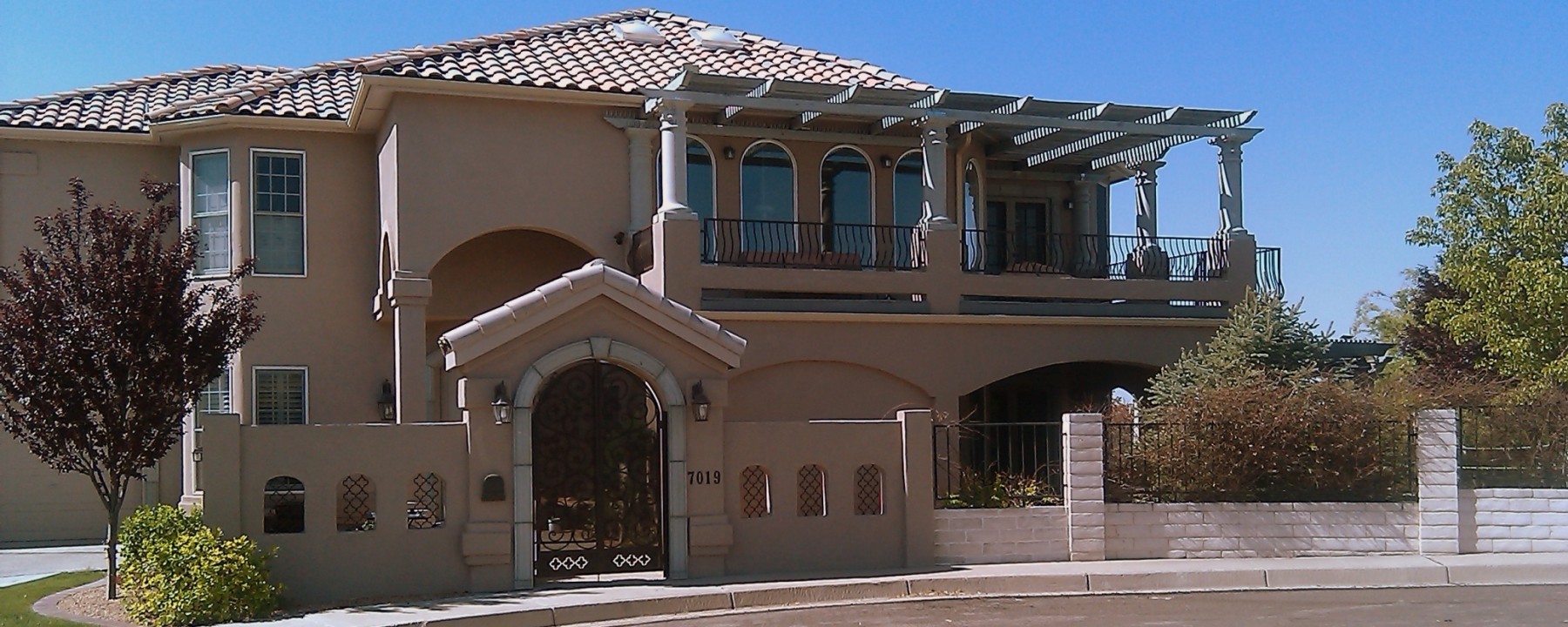
GFRC unlocks organic curves, intricate geometry, and large-format panels that would be structurally prohibitive in cast stone or natural stone. Same stone aesthetic, fraction of the weight.
If your design calls for thin profiles, complex curves, or intricate details, GFRC is the clear winner. Cast stone requires minimum 1.5" thickness for structural integrity; GFRC achieves strength at 3/4".
GFRC Design Advantages
- Thin profiles: 3/4" to 1" thick panels with full structural ratings
- Complex curves: Fluid wall panels, radius pieces, and freeform shapes
- Intricate detail: Sharp edges, fine relief patterns, and delicate ornamentation
- Large panels: Up to 40 SF per panel without structuralbackup
- Color matching: Integral pigmentation throughout the matrix, not just surface
Cast Stone Design Advantages
- Mass and presence: Heavier appearance approximates natural stone weight
- Deep relief: Can achieve 2-3" depth in details and moldings
- Texture variety: Wide range of mold textures from smooth to rough-hewn
- Standard profiles: Extensive catalog of standard window surrounds, quoins, and cornices
Choose GFRC For
- Thin-clad contemporary facades
- Curved or organic shapes
- Historic replication with light weight
- Upper-story installations
Choose Cast Stone For
- Traditional mass and scale
- Deep architectural detail
- High-traffic areas requiring impact resistance
- Budget-conscious projects with simple profiles
Durability & Maintenance
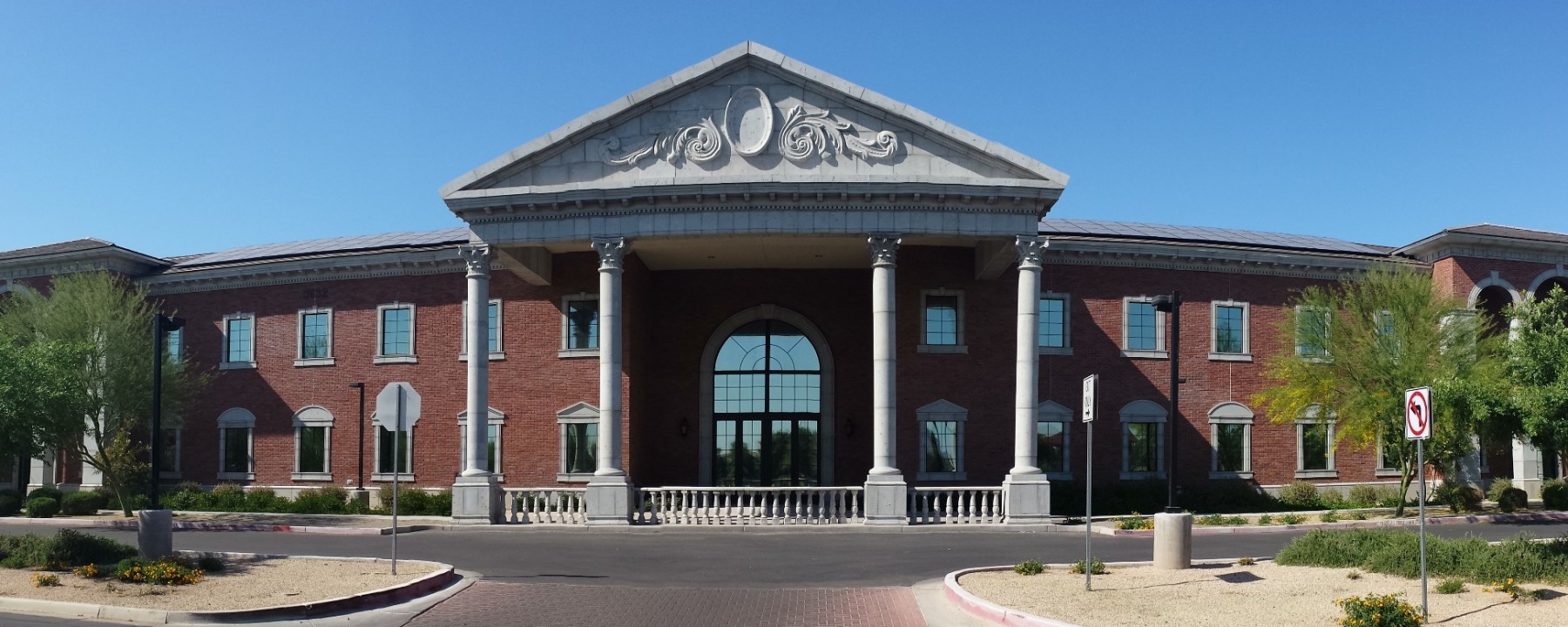
Gilbert Christian High School, Arizona — architectural GFRC columns with Corinthian capitals, wainscots, and ornamental elements by Mesa Precast. Proven performance in the Southwest climate.
Both materials offer 75+ year lifespans when properly installed, outlasting most natural stones in harshweather environments.
| Factor | GFRC | Cast Stone |
|---|---|---|
| Compressive strength | 3,000-5,000 PSI | 6,500+ PSI |
| Freeze-thaw resistance | Excellent (with proper mix) | Excellent |
| Impact resistance | Good (fiber-toughened) | Very Good |
| Color longevity | Integral (through-body) | Integral (through-body) |
| Sealant maintenance | Every 10-15 years | Every 10-15 years |
| Expected lifespan | 75+ years | 75+ years |
Both materials benefit from proper sealing at installation and periodic resealing (typically every 10-15 years depending on climate). Unlike natural stone, manufactured products have no veining or cleavage planes to weaken — degradation is uniform and predictable.
For coastal or gulf coast projects, both materials outperform natural limestone and sandstone, which can suffer from salt spray degradation.
When to Use Each Material
Here's a practical framework for material selection based on project characteristics:
Contemporary Facades
Thin profiles, clean lines, large-format panels. Ideal for modern commercial and residential projects seeking a refined, minimalist aesthetic.
Historic Renovations
Lightweight enough for existing structures. Replicates ornamental detail without structural reinforcement.
Traditional Architecture
Projects requiring mass, weight, and classical proportion. Mimics natural cut stone presence in traditional and institutional buildings.
High-Traffic Areas
Higher compressive strength and impact resistance make cast stone ideal for storefronts, building bases, and public spaces.
Upper-Story Applications
Podium decks, tower installations, and multi-story buildings where structural load is a constraint.
Budget-Driven Projects
Simple profiles with high repetition. Lower tooling costs and standard catalog profiles reduce per-unit pricing.
The choice often isn't either/or — many projects use both materials in different applications. GFRC for complex fenestration surrounds, cast stone for bulkheads and primary wall areas.
One Supplier, Two Materials, Seamless Color Matching
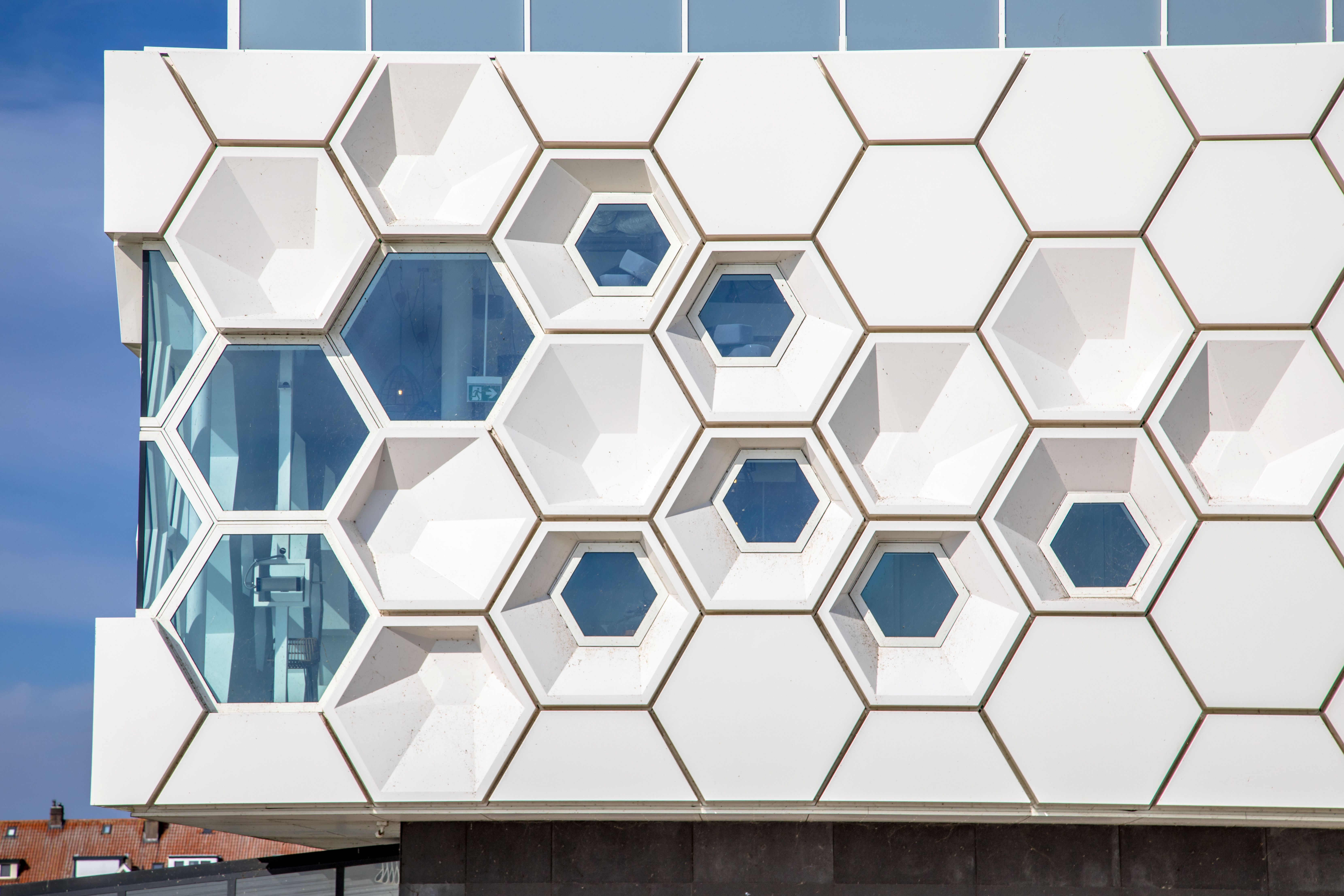
Modern hexagonal precast cladding facade — a contemporary commercial application showcasing the design freedom of architectural GFRC panels. Geometric, large-format facade systems like this are only achievable with thin-shell precast or GFRC; natural stone cannot be profiled to this geometry at scale. Manufactured by Mesa Precast | ArchStone Global.
Architects shouldn't have to source GFRC and cast stone from different suppliers. Color matching across materials becomes a headache, lead times vary, and warranty coverage fragments.
Mesa Precast & Mesa Precast | ArchStone Global manufacture both GFRC and cast stone in the same facility with identical color systems. Your facade gets:
- Single-source accountability — One warranty, one point of contact
- Seamless color matching — Identical pigmentation across GFRC and cast stone elements
- Coordinated scheduling — Both materials ship on the same timeline
- Value engineering — We recommend the optimal material for each application to maximize your budget
Whether your project leans 80% GFRC or 80% cast stone, we provide both with consistent quality, pricing, and lead times.
Ready to Develop Your Spec?
Get a detailed cost estimate for your project. We specify GFRC, cast stone, or the optimal combination based on your design requirements.
Get Free Estimate